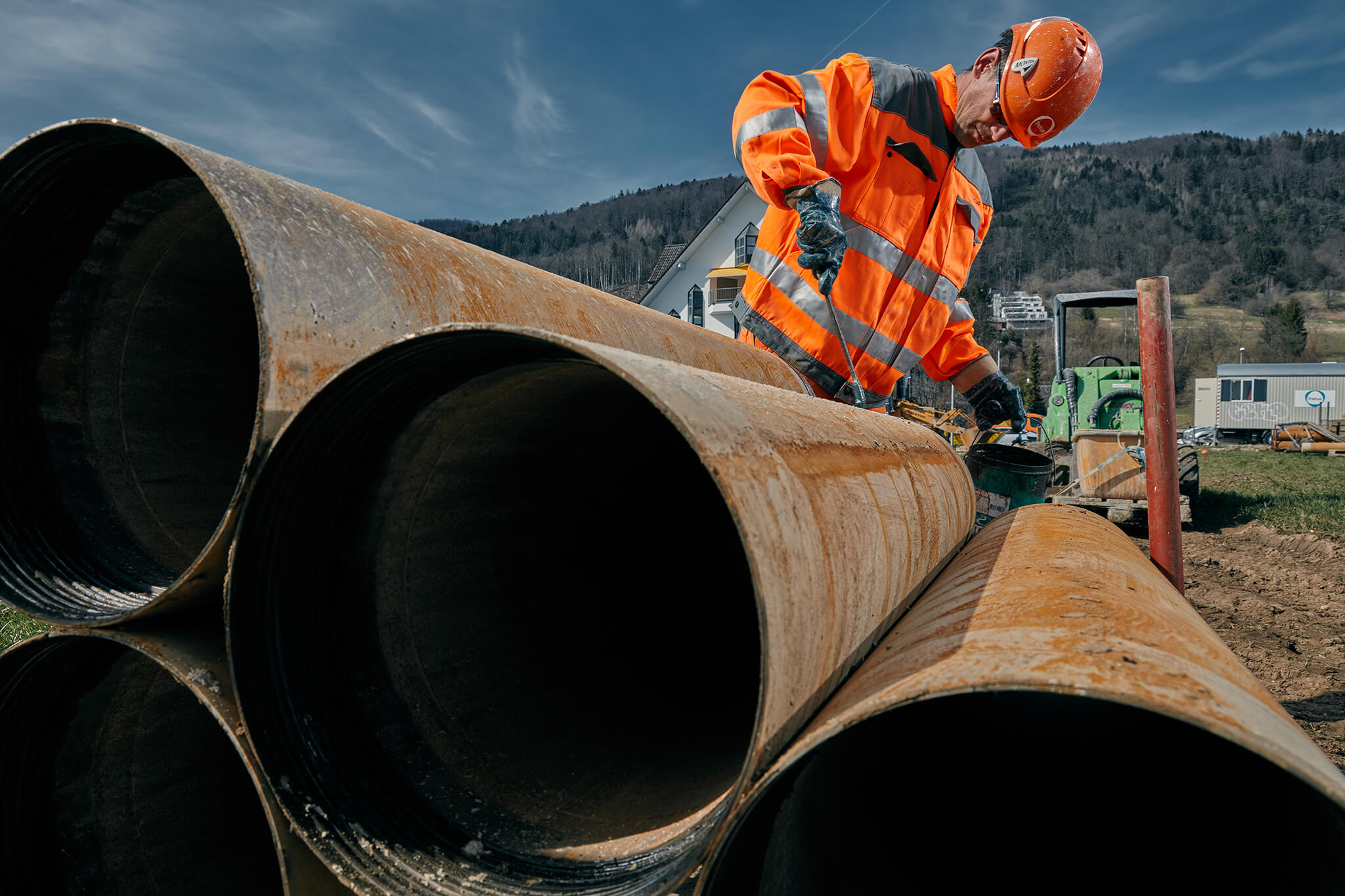


Sludge spots in the track bed occur when penetrating water softens the ballast substructure and permanently impairs the load-bearing capacity of the track. If left untreated, they lead to changes in track layout, increased maintenance costs and, in the worst case, line closure. On behalf of Deutsche Bahn AG, Klefenz GmbH carried out the complete removal of such a damaged area on a heavily frequented line in the Villingen-Schwenningen area.
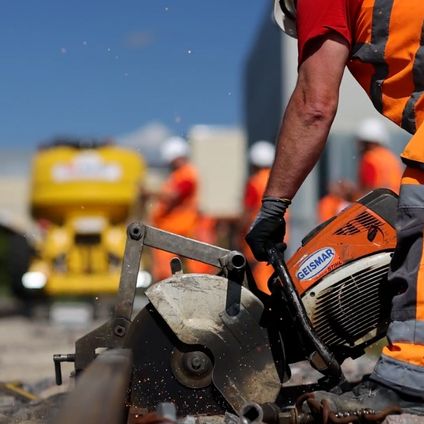
The measure included the extension of the affected track section, the excavation of the soaked and compacted layer of ballast, the installation of functional drainage and the complete restoration of the superstructure, including new sleepers and rails.
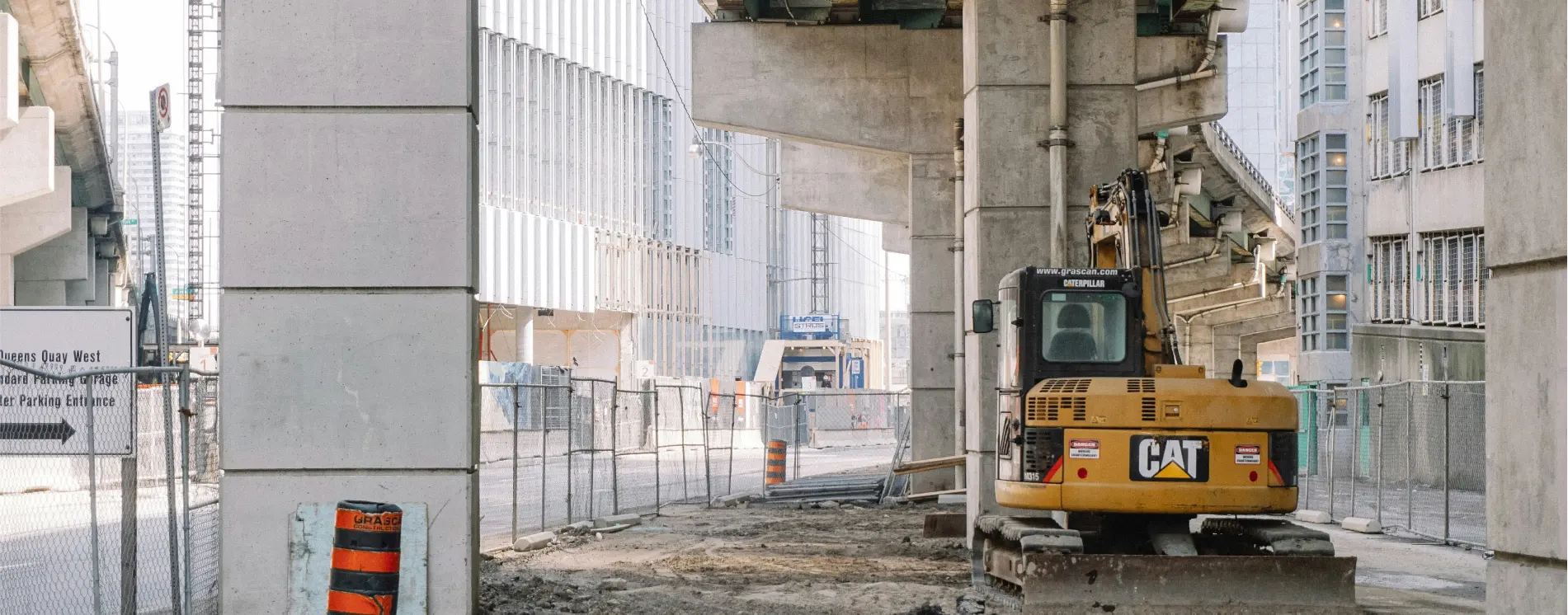
The particular challenge was implementation under operating conditions: Rail traffic on the parallel line could not be restricted at any time. All work was therefore planned and carried out in close coordination with the DB route service within defined cut-off periods. The Klefenz team relied on the use of two-way vehicles, which made it possible to switch quickly between road and track operations and reduced set-up times to a minimum.
In contrast to a short-term addition of ballast, this measure completely eliminated the cause of the sludge site: The entire damaged surface was excavated, the flat surface was reprofiled and a filter layer and a drainage device were introduced, which diverts future water ingress. Only then were sleepers, ballast and rails installed correctly in accordance with DB regulations.
Sludge spots in the track bed occur when penetrating water softens the ballast substructure and permanently impairs the load-bearing capacity of the track. If left untreated, they lead to changes in track layout, increased maintenance costs and, in the worst case, line closure. On behalf of Deutsche Bahn AG, Klefenz GmbH carried out the complete removal of such a damaged area on a heavily frequented line in the Villingen-Schwenningen area.
The measure included the extension of the affected track section, the excavation of the soaked and compacted layer of ballast, the installation of functional drainage and the complete restoration of the superstructure, including new sleepers and rails.
The particular challenge was implementation under operating conditions: Rail traffic on the parallel line could not be restricted at any time. All work was therefore planned and carried out in close coordination with the DB route service within defined cut-off periods. The Klefenz team relied on the use of two-way vehicles, which made it possible to switch quickly between road and track operations and reduced set-up times to a minimum.
In contrast to a short-term addition of ballast, this measure completely eliminated the cause of the sludge site: The entire damaged surface was excavated, the flat surface was reprofiled and a filter layer and a drainage device were introduced, which diverts future water ingress. Only then were sleepers, ballast and rails installed correctly in accordance with DB regulations.
After completion of the measure, the route section was approved by Deutsche Bahn AG and released for regular operation again. The built-in drainage device permanently ensures that rainwater is drained off in a controlled manner and that no new sludge sites are created. The project is an example of how Klefenz GmbH, as a DB partner, not only reacts, but also sustainably renovates.


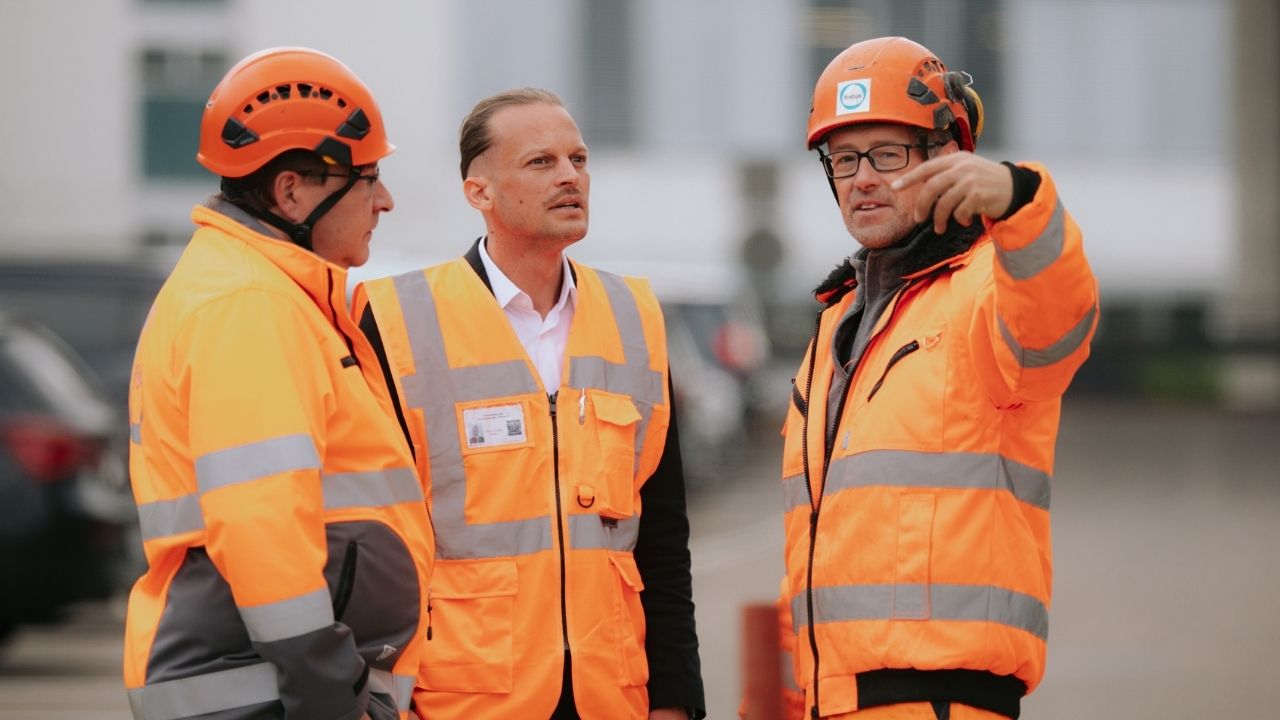
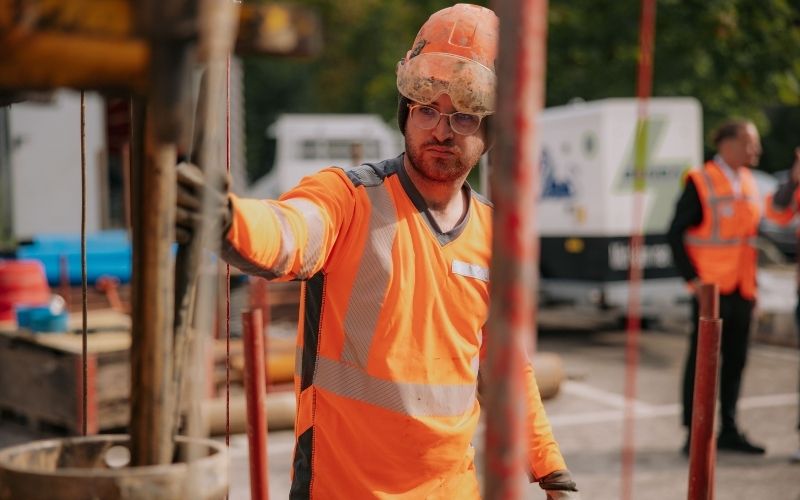

Whether you are planning a demanding construction project or looking for a new career path – Klefenz stands for experience, reliable collaboration and a clear commitment to quality. If you want to realise a project with us or become part of our team, we look forward to starting the conversation and taking the next step together.
.jpg)